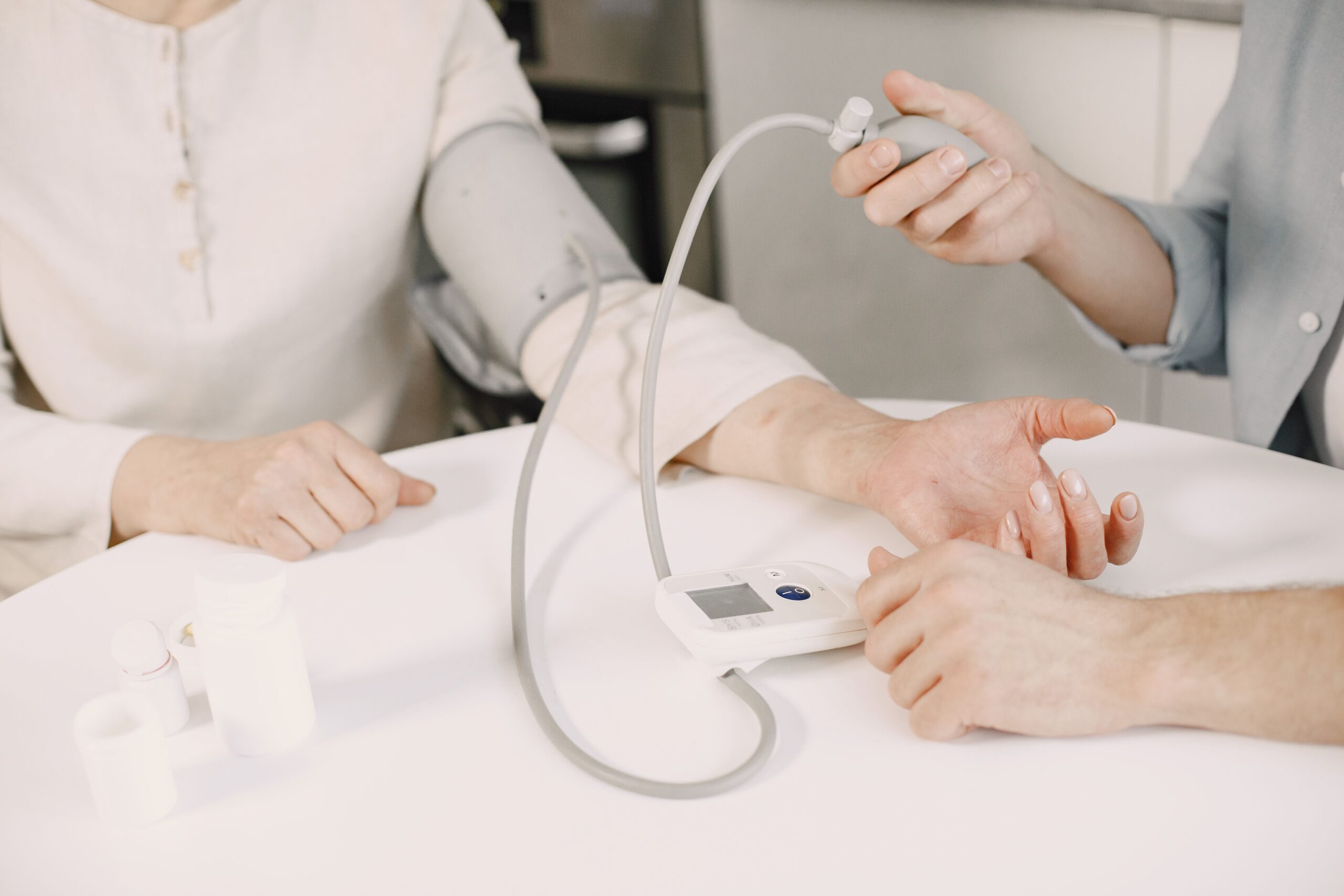
1. Definition & Classification
The ESC has refined its classification system into three distinct categories based on standardized office blood pressure (BP) measurements.
| Category | Office Systolic BP (mmHg) | Office Diastolic BP (mmHg) | Key Implication |
| Non-elevated BP | < 120 | and < 70 | Normal range; drug treatment is not recommended. |
| Elevated BP (NEW) | 120–139 | or 70–89 | A new “pre-hypertensive” state that identifies individuals at risk. Management depends on overall cardiovascular risk. |
| Hypertension | ≥ 140 | or ≥ 90 | The definition of hypertension remains unchanged. Confirmation requires out-of-office measurements. |
2. Diagnosis
The guidelines strongly emphasize the importance of accurate diagnosis, moving away from reliance on single in-clinic readings.
- Out-of-Office Measurement is Preferred: For diagnosing and managing hypertension, ambulatory blood pressure monitoring (ABPM) or home blood pressure monitoring (HBPM) is recommended whenever feasible.
- Detecting Phenotypes: Out-of-office measurements are crucial for identifying:
- White-coat hypertension: High BP in the clinic but normal outside.
- Masked hypertension: Normal BP in the clinic but high outside.
- In-Clinic Measurement: If out-of-office readings are not possible, standardized office measurements can be used. It is important to note that routine office BP may be 5–10 mmHg higher than standardized readings.
- Special Circumstance: In patients with atrial fibrillation, manual BP measurements are recommended as most automated devices are not validated for this condition.
3. Initial Investigation & Risk Assessment
Upon diagnosis, a comprehensive assessment is vital to guide management. This involves evaluating:
- Causative and Contributory Factors: Lifestyle, medications, and potential secondary causes.
- Cardiovascular Disease (CVD) Risk: A stepwise approach is recommended for all individuals with elevated BP:
- Assess for high-risk conditions (e.g., established CVD, diabetes, chronic kidney disease).
- Predict 10-year CVD risk using tools like SCORE2 or SCORE2-OP (for older persons).
- Evaluate for risk modifiers (e.g., family history of premature CVD, specific conditions in women like gestational diabetes or pre-eclampsia).
- Consider additional testing (e.g., for hypertension-mediated organ damage).
- Hypertension-Mediated Organ Damage (HMOD): Screening for subclinical damage to the heart, brain, kidneys, and eyes is a key part of the initial workup.
4. Primary and Secondary Causes
Understanding the underlying cause is crucial for effective management.
- Primary (Essential) Hypertension: This is the most common form, accounting for the vast majority of cases, where no single identifiable cause can be found.
- Secondary Hypertension: Accounts for approximately 10% of cases and has a discernible underlying cause.
Screening for Secondary Causes: The guidelines recommend comprehensive screening for secondary hypertension in specific groups:
- All adults diagnosed with hypertension before the age of 40.
- Exception: For obese young adults, screening for obstructive sleep apnoea should be the first step.
- Other common causes to consider include renal disease, primary aldosteronism, and drug-induced hypertension.
5. Management
The 2024 guidelines advocate for a proactive and intensive, yet personalized, management strategy.
A. Lifestyle Modifications
Lifestyle interventions are the cornerstone of management for all patients and should be initiated simultaneously with pharmacological treatment when indicated.
- Diet: Adopt a healthy diet (e.g., DASH-like), reduce sodium intake to <2 g/day, and increase potassium intake.
- Exercise: Engage in regular aerobic and resistance training.
- Weight Management: Maintain a normal body-mass index.
- Other: Smoking cessation and limiting alcohol consumption.
B. Pharmacological Treatment: A Risk-Based Approach
The decision to start medication is no longer based on BP alone but is integrated with overall CVD risk.
| Category | CVD Risk | Management Strategy |
| Elevated BP (120-139/70-89) | Low (10-year risk <5% or borderline 5-<10% without modifiers) | Lifestyle measures are recommended. |
| Elevated BP (120-139/70-89) | High (10-year risk ≥10%, or borderline with modifiers) | Lifestyle measures plus pharmacological treatment if BP remains ≥130/80 mmHg after 3 months. |
| Hypertension (≥140/90) | Any | Lifestyle and pharmacological treatment are recommended. |
Key Treatment Principles:
- Initial Therapy: For most patients, treatment should be initiated with a single-pill combination of two drugs.
- First-Line Agents: Recommended classes include ACE inhibitors (ACEis), Angiotensin Receptor Blockers (ARBs), Dihydropyridine Calcium Channel Blockers (CCBs), and Diuretics.
- Treatment Target: The new target systolic BP for most adults on medication is 120-129 mmHg, provided it is well tolerated.
- The “ALARA” Principle: For patients who cannot tolerate the intensive target (e.g., those >85 years, frail, or with limited life expectancy), the goal is to achieve a BP that is ‘As Low as Reasonably Achievable’ (ALARA).
C. Managing Resistant Hypertension
For patients with resistant hypertension, the guidelines recommend:
- Confirming true resistant hypertension and excluding secondary causes.
- Optimizing therapy and adding spironolactone as the preferred fourth-line agent.
- Referring to specialist centers and considering renal denervation (RDN) as a specialized, shared-decision option after thorough evaluation.
